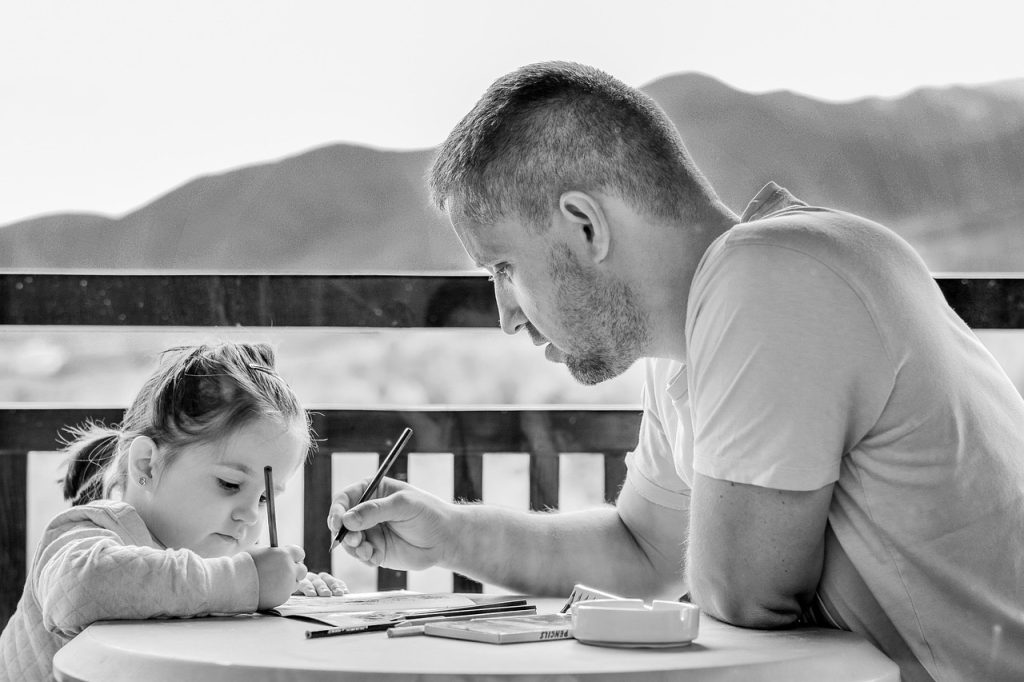
So, we’ve realized we don’t want to continue the pattern of control we experienced in our families. We’re working on parenting from unconditional love. It’s kind of awesome — and we’re beginning to see the possibilities of connection and peace in our relationships.
And then we realize we’ve swung too far to the other extreme. We’re fondly watching our kids run amok, ignoring our own needs in favor of their whims. Oops.
Now what?
Balancing Unconditional Love and Boundaries IRL
Sometimes, we’re trying so hard to parent differently that we forget we’re still human. We want to be calm and loving, but we’re also exhausted and overstimulated. We’ve read about giving ourselves time-outs, taking deep breaths, and waiting until we can respond with calm — and those things help. But what about when there’s no time-out available?
- What about when the toddler is dumping cereal on the floor and gleefully stomping through it?
- What about when the six-year-old is screaming and trying to bolt out the front door?
- What about when the four-year-old is crying while we’re just trying to make dinner, and we haven’t sat down all day?
- What about when the twelve-year-old is slamming doors and yelling, “You can’t make me!”?
Sometimes, we can’t take a break — and sometimes our child’s behavior can’t wait. When a four-year-old is throwing things or a young child is walking out the door, we need to stay in charge.
These situations don’t call us to be calm and kind, but to keep everyone safe. They call us to stay present enough. Not perfect. Not peaceful. Just steady enough to keep everyone safe.
Holding unconditional love and boundaries in those moments might sound like:
- “I’m not letting you hurt things. I’m going to hold you while we calm down.”
- “You’re too young to go out right now. I’m locking the door until we can talk.”
- “I know you’re upset, and I also need to finish dinner. You can cry next to me, or you can go to your room. I’m here either way.”
- “You don’t have to like the rule about screens, but I’m not changing it right now. I get that you’re mad. We can talk later.”
- “You’re grounded for tonight because I love you and it’s my job to keep you safe, not because I’m trying to make you miserable.”
None of these are perfect. But they’re real. They’re what love sounds like when it’s tired but still trying to stay connected.
The Kind of Control That Heals
The truth is, while I like to think of unconditional parenting as not being about control, there is some control involved — but it’s a different kind that serves a different purpose. It’s not about dominance or forcing obedience; it’s about providing structure and safety when a child’s system can’t regulate itself yet.
- Conditional control: “Do what I say or you lose my approval, affection, or access to me.”
- Unconditional boundaries: “I’ll keep you safe and hold the limits you need — and I’ll still love you through it.”
We’re still the adult who decides what’s safe — we just stop using love as leverage.
- Unconditional love says:
I’m not here to control who you are. I’m here to know you, protect you, and love you through it all.
That distinction — between control and responsibility — is what makes the difference between a home that feels controlling and one that feels secure.
When we step in to hold a boundary, we’re not saying, “You must obey.” We’re saying, “You matter too much to be left alone with something that’s too big for you to handle right now.”
Boundaries Are Love, Too

In the moment, permissiveness might seem loving, but it’s actually a disservice to both parent and child. When we let everything slide, we teach our kids that our needs don’t matter — and that theirs are too big to handle.
- Our kids need parents who are well-cared-for and honest about their limits.
- They need to see what it looks like to be a happy adult with needs, boundaries, and emotional presence.
- They need a model for how to be both kind and strong.
So we need to respect our own needs as well as theirs. That’s what unconditional love looks like in action.
Sometimes it sounds like:
- “I can’t listen when you yell. Let’s both take a break and come back.”
- “I love you too much to let you speak to me that way.”
- “I need some time to calm down before I can talk kindly. I’ll come back.”
By setting boundaries — for them and for ourselves — we teach our children how love and respect can coexist.
Raising Future Adults
When our kids are little, they borrow our nervous system. We stay close, co-regulate, and help them feel safe in their big feelings. But as they grow, we also teach them how to regulate themselves — not through punishment or withdrawal, but by modeling self-respect.
We want to raise adults with these skils:
- Managing frustration.
- Managing disappointment.
- Practicing self-care.
These are the tools that help them thrive in life — and they learn them first from us. So we have to model those same skills:
- We hold limits.
- We say no when we need to.
- We make sure everyone’s needs — not just the kids’ — get considered.
As Kyndsi Sundberg, MSMFT, wrote, “Children feel most seen and loved when we balance warmth and structure — when they know we mean what we say, and that our love isn’t dependent on how they behave.”
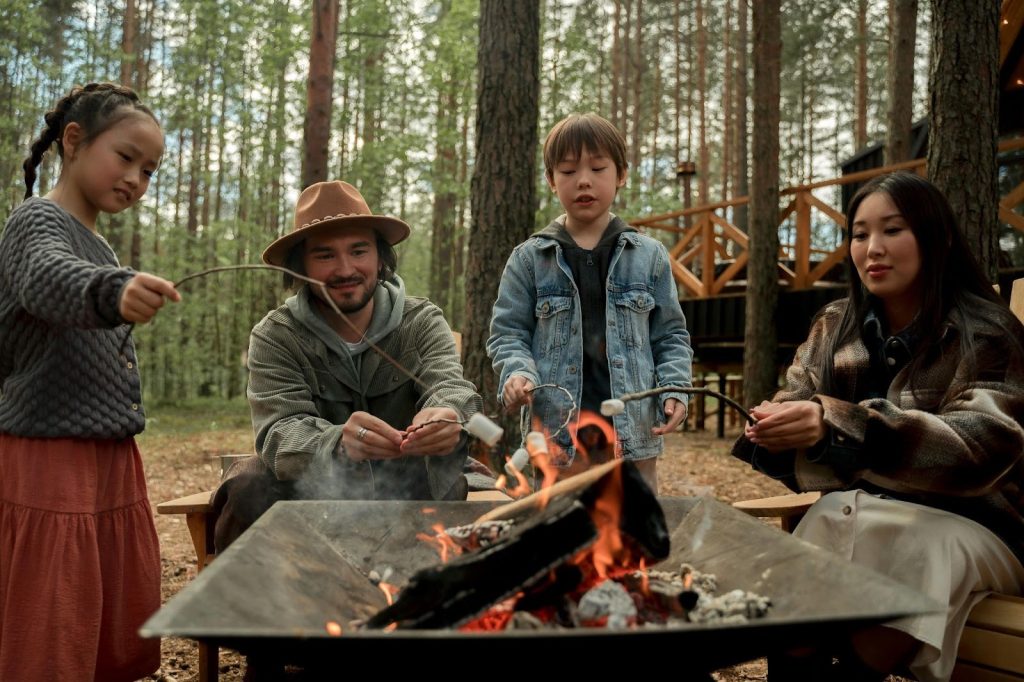
Our goal isn’t perfect compliance; it’s mutual respect. It’s helping them grow into capable adults who can love and care for themselves and others.
It’s Not About Doing More
Unconditional love isn’t about adding more tasks or perfecting every moment. It’s about changing the energy underneath what we do.
🚫 Instead of acting from fear — “If I don’t handle this right, I’ll mess them up”
♥️ We act from trust — “We’re both learning. Love can hold this.”
🚫 Instead of trying to avoid conflict — “Keeping the peace matters more than dealing with this.”
♥️ We learn to hold conflict gently, with connection intact.– “Our relationship is strong enough to handle this hard moment.”
🚫 Instead of parenting from control– “I have to shut this down before it gets out of control.”
♥️ We parent from responsibility, rooted in love — “I can stay calm, hold my ground, and be present with them.”
The real goal isn’t obedience — it’s relationship. It’s raising kids who know, deep down, that love never leaves, even when we say no.
Or, in the words of my favorite teacher, Mr. Rogers:
“Love isn’t a state of perfect caring. It’s an active noun like struggle. To love someone is to strive to accept that person exactly the way they are, right here and now– and to go on caring even through times that may bring us pain.”
Fred Rogers
- Even when they’re throwing cereal.
- Even when we’re tired.
- Even when we don’t do it perfectly.
That’s unconditional love with boundaries—not spotless and soft, but steady and secure.
I’d love to hear from you! Contact me or leave a comment: